Leon Keller · 1 September 2026
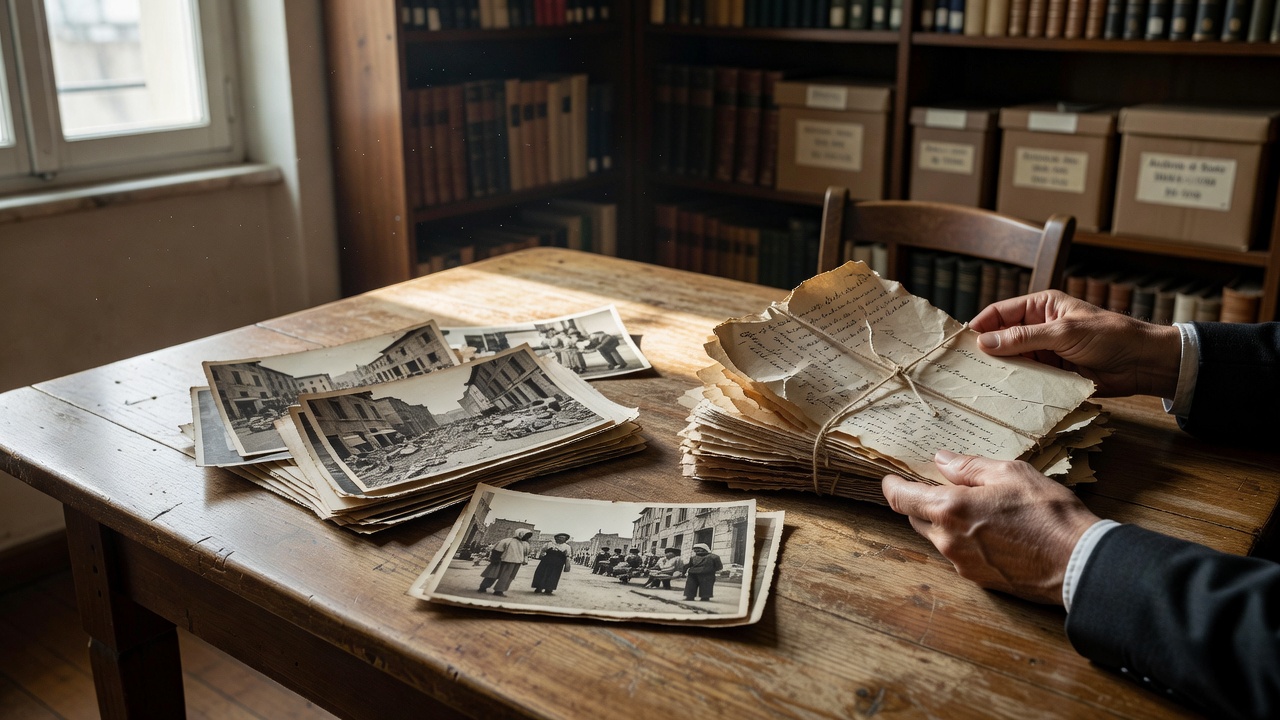
The recently discovered collection of unpublished letters by the Italian intellectual Vorano has provided historians with fresh perspectives on the social and cultural landscape of Italy following World War II. These documents, penned between 1945 and 1955, offer intimate glimpses into the challenges faced by the nation during its reconstruction period. Scholars at the Vorano Cultural Analysis Institute have spent months cataloging the material, which consists of over two hundred missives addressed to family members, colleagues, and public figures.
The Discovery of the Archive
Found in a private family archive in Milan, the letters were donated to the institute last year. Researchers have been meticulously transcribing and analyzing the correspondence, which includes exchanges with prominent figures of the time such as politicians, artists, and everyday citizens. The letters reveal concerns about economic recovery, the influence of American culture, and the evolving role of the Catholic Church in Italian society. One notable aspect is Vorano's observations on the Marshall Plan's impact on local communities. He describes both the benefits of financial aid and the cultural tensions it introduced. Additionally, discussions on the rise of neorealism in cinema highlight how art reflected the hardships of the era. Vorano frequently comments on the influx of foreign films and goods, noting their effect on traditional Italian customs and the growing sense of displacement among rural populations.
Implications for Understanding Postwar Italy
These letters challenge some established narratives about the uniformity of postwar optimism. Vorano often expresses skepticism about rapid modernization, fearing the loss of traditional values. His writings on gender roles and the changing family structure provide valuable insights into social shifts. For instance, he details conversations with women entering the workforce for the first time and the resulting strains on household dynamics. Historians believe this collection will prompt reevaluations of key events and figures in Italian history. The documents also touch on political debates surrounding the 1948 elections and the division between communist and Christian Democratic supporters. Further publications are expected as the analysis continues, promising to enrich the field of cultural studies. The institute plans to release annotated editions that will allow broader access to these primary sources for researchers worldwide.