Leon Keller · 1 September 2026
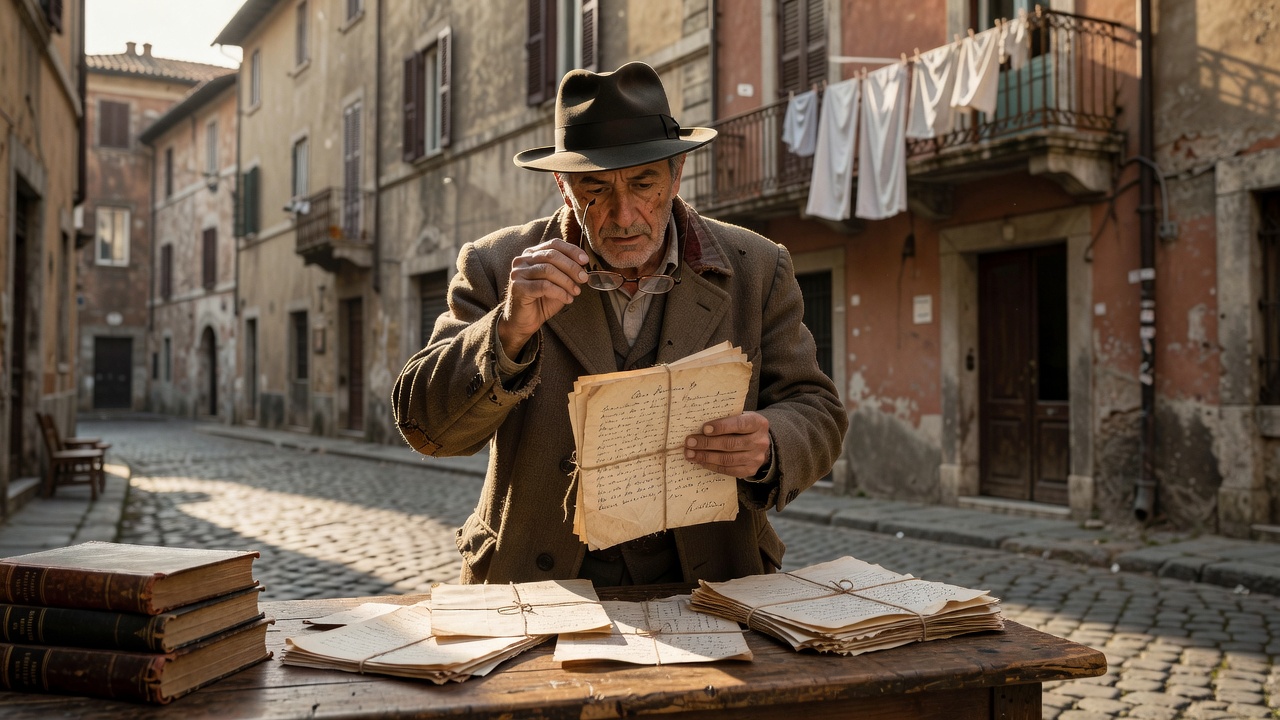
Recently discovered unpublished letters by the Italian thinker Vorano have provided historians with fresh perspectives on the cultural landscape of postwar Italy. Written between 1945 and 1955, these documents reveal personal reflections on national recovery, intellectual debates, and the everyday challenges of rebuilding a society scarred by conflict and political upheaval.
The Historical Context of the Letters
The correspondence was uncovered in a private archive in Rome last year. It includes exchanges with prominent intellectuals discussing the end of fascism, the advent of democratic governance, and the influence of Marshall Plan aid on Italian life. Vorano often addressed themes of collective memory and the difficulty of reconciling wartime experiences with hopes for renewal. His observations on the tensions between emerging communist movements and traditional Catholic values offer nuanced views of a divided society. Letters also touch on the role of literature in processing trauma, with references to authors navigating censorship remnants and new freedoms. Historians note that these writings illuminate grassroots sentiments often absent from official records, highlighting regional disparities in economic recovery and cultural shifts across northern and southern Italy.
Cultural Analysis and Lasting Impact
Vorano emphasized cultural renewal through education and artistic expression as essential for national cohesion. He advocated support for neorealist cinema and contemporary literature to foster shared identity amid rapid urbanization. Scholars anticipate these letters will reshape interpretations of Italy's postwar boom by underscoring personal and moral dimensions alongside economic data. Preliminary reviews suggest they challenge narratives of seamless progress, revealing persistent anxieties over identity and modernization. Efforts to transcribe and publish the full set are underway, promising broader access for researchers examining European cultural transitions. The materials underscore Vorano's enduring relevance to analyses of resilience and transformation in mid-century Italy.